


Your thinking keeps coming back to the same place.
A new, open space to think things through, built on psychology and philosophy. One-to-one sessions, online.
Free conversation: 30 minutes · Online · No obligation.
What brings people here?
Most people who get in touch are still getting on with things. They’re working, seeing people, managing. But something’s been running in the background for a while. A decision keeps getting put off. The same question keeps coming back, slightly different each time, whatever changes around them.
That isn’t a flaw in you. Usually it’s a question that hasn’t had the chance to be looked at properly yet. About where you’re heading, who you are now, or what the way things are is costing you. The thinking keeps coming back because it’s trying to get somewhere. It hasn’t got there yet.
How it starts
A free conversation. Thirty minutes to talk about what’s going on and whether this is the right fit. No obligation either way.
Agree a focus. We decide together what to look at first, and what would tell you it’s moving.
Try things between sessions. Each session ends with something small you can try. You see how it fits, and we adjust.
-
No. Us Together is a structured psychological practice, not a clinical or medical service. If you’re living with a mental health condition, this work can sit alongside your care. It doesn’t replace it.
-
Adults who overthink, go round in circles, or are facing a personal or career change and want to think it through with some structure.
-
This isn’t a crisis service. If you’re in crisis or thinking about ending your life, call Samaritans on 116 123 (free, any time), or 999 in an emergency.
Who you work with
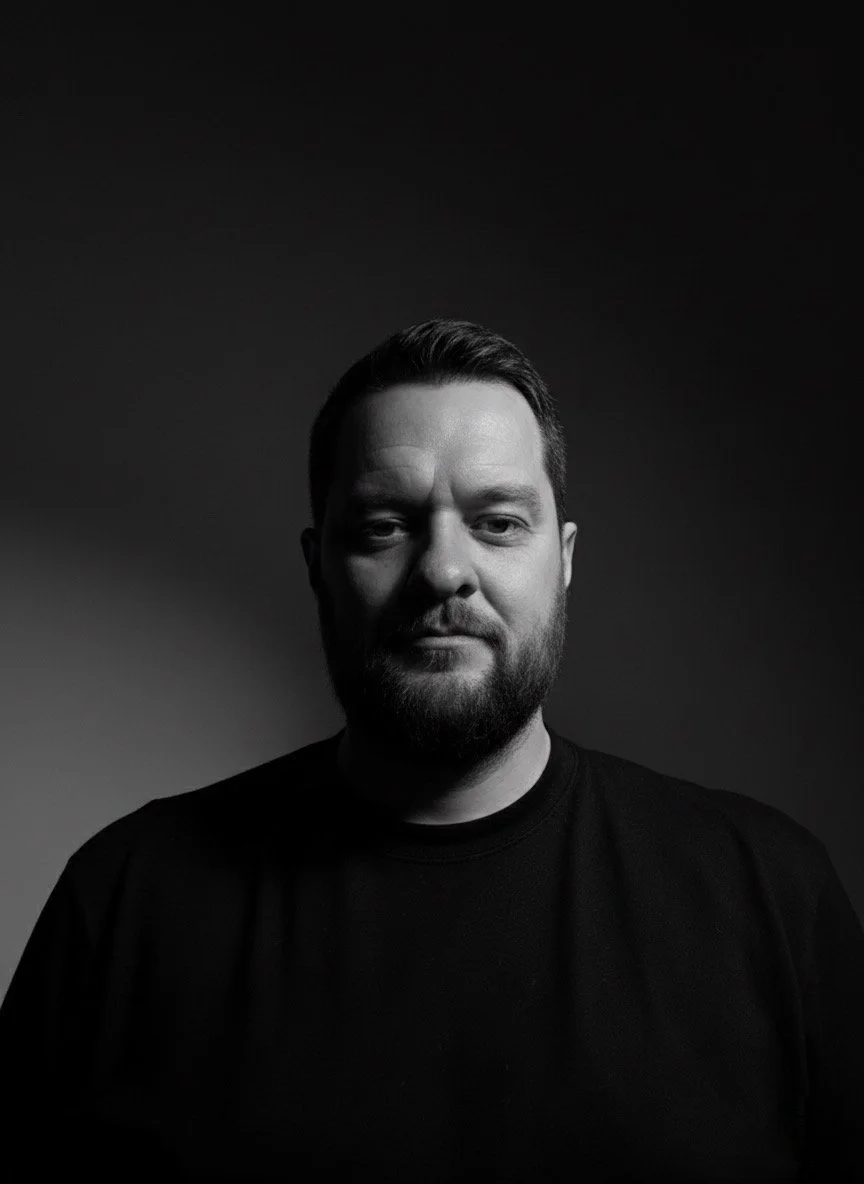
I’m Gareth. I studied psychology and neuroscience, and taught for six years in Malaysia, China and Spain.
I’ve also spent a lot of my own life going round in circles with questions about meaning. Us Together came out of finding a way through that, one small step at a time.
You lead, and I bring the structure. The aim from the first session is that you can carry the method on without me.
A session starts with whatever keeps coming back: a question, a decision, a worry. Together we look at the pattern, the beliefs around it, and what matters to you.
Say you keep putting off a conversation while you wait for the perfect words. We can look at what makes it hard, then agree a small next step you can try.
The aim is to understand your thinking well enough to act from it. Explore our approach.
Start with a free conversation.
Thirty minutes to talk about what brings you here and whether working together makes sense. No obligation.
Us Together is a structured psychological practice, not a clinical or medical service. If you’re living with a mental health condition, this work can sit alongside your care. It doesn’t replace it. If you’re in crisis, call Samaritans on 116 123, or 999 in an emergency.